


Wonders by the water: the most beautiful boathouses from around the world
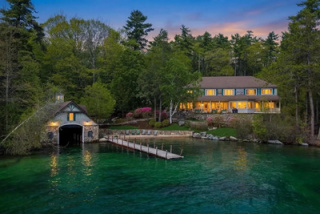
Once primarily used to shelter boats and nautical equipment, boathouses now occupy a new place in the architecture of waterfront properties. Once purely functional structures, they have evolved into genuine living spaces, designed to embrace the surrounding landscape and extend the art of lakeside living.
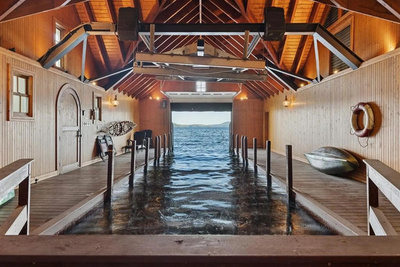
For generations, the boathouse served a primarily practical purpose. Built along the shoreline or slightly above the water, it provided shelter for boats, fishing equipment and the various supplies needed for water-based activities.
While this function remains, homeowners’ expectations have evolved considerably. In contemporary properties, these structures are now envisioned as true extensions of the main residence. Open terraces overlooking the lake, living rooms, kitchens, entertaining spaces, wine cellars and private guest suites can complement the areas traditionally dedicated to boats.
This transformation reflects a broader shift in the way waterfront living is envisioned. The view is no longer the sole attraction: architecture is designed to create a deeper connection with the landscape and allow residents to enjoy the property from morning through evening.
Wade Weissmann, founder of Wade Weissmann Architecture, whose projects include waterfront properties in California, New York and Wisconsin, has observed this evolution in the way these spaces are used. Boathouses are increasingly designed as genuine gathering places, with enough amenities to be enjoyed throughout the day.
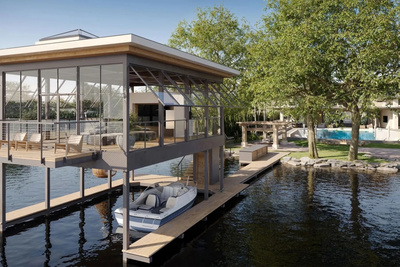
On the shores of Lake Austin, Texas, a contemporary residence designed by architect Evan Fisher perfectly illustrates this new approach. The project features an elevated glass pavilion above the water, centered around a spacious living area with clean lines and a generous sun terrace. Below, a covered area provides storage for boats and watercraft.
Here, the architecture takes a back seat to the connection with the lake. Expansive glass surfaces and outdoor spaces invite residents to enjoy the natural surroundings while retaining the comfort of a true living space.
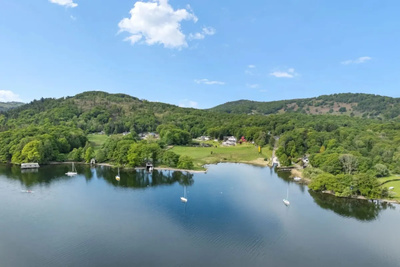
In England’s Lake District, the Ridding Bay estate offers another compelling example of this evolution. Set on 10 acres with approximately 275 metres of natural shoreline along Lake Windermere, the recently refurbished property features an indoor pool, a cinema room and a wellness suite, surrounded by landscaped gardens, woodland and rolling hills.
At the water’s edge, a newly built boathouse is one of the estate’s most distinctive features. With a living room, open terrace, kitchenette and shower room, it has been designed to be enjoyed throughout the day, with the lake as a constant backdrop.
This design reflects the increasingly important role boathouses play in exceptional properties. No longer simply considered ancillary structures, they can become privileged spaces for entertaining, gathering with family or simply enjoying the peace and beauty of the surrounding nature.
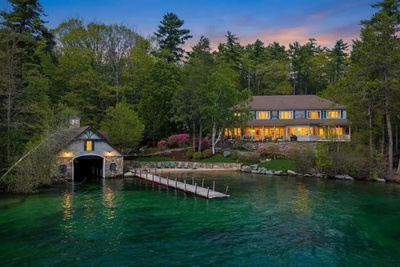
This evolution towards greater refinement naturally comes with a heightened focus on architecture, materials and finishes. In some projects, the level of quality and craftsmanship now rivals that of the main residence.
On Lake Winnipesaukee in New Hampshire, the Woodland Cove estate enjoys more than 90 metres of sandy shoreline. Set on a hilltop, the property offers ample space to accommodate a large family and their guests.
Down by the water, an impressive boathouse crafted from mahogany and stone complements the estate. It features a covered boat garage with a lift capable of accommodating a vessel of approximately 15 metres, as well as ample storage space.
According to Brian Neidhardt, a real estate advisor specialising in New Hampshire’s Lakes Region at Four Seasons Sotheby’s International Realty, boathouses are highly sought after on Lake Winnipesaukee. They can increase a property’s value by up to 30%. Their design has also become increasingly sophisticated over time, with finishes that often reflect the standards of the main residence.
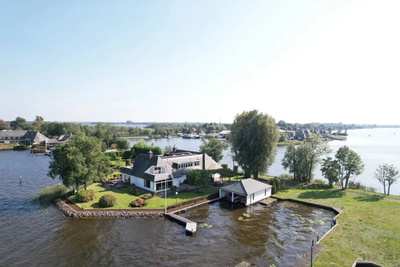
In the Netherlands, boathouses take on a distinctly different form. This contemporary property sits at the tip of a private peninsula on the Loosdrechtse Plassen, a network of five interconnected lakes within easy reach of Amsterdam.
Just steps from the main house and gardens, a double boathouse provides easy access to the water. Its deliberately understated architecture reflects an environment where boats are an integral part of everyday life, both for leisure and transportation.
Whether traditional or contemporary, understated or spectacular, boathouses share a common purpose: bringing their owners closer to the water. Today, however, they offer far more than simple access to the lake. They create spaces for entertaining, gathering with family and friends, relaxing and making the most of their surroundings.
From the shores of Lake Winnipesaukee to the Alpine landscapes, these properties reflect a shared aspiration: to make water a central part of the art of living. An approach that naturally resonates on the shores of Lake Annecy, where architecture, landscape and quality of life come together to create an exceptional residential setting.
To mark its 50th anniversary, Sotheby’s International Realty has partnered with Assouline on a collector’s edition book dedicated to remarkable properties, architecture, and the art of living. This collaboration brings together two organizations that share a common…
Read more
From October 27 to November 19, 2026, Sotheby’s celebrates the world of luxury with Luxury Week. In Geneva, this series of auctions brings together collectible watches, high jewellery creations, iconic handbags and historic jewels with remarkable provenance. Featuring…
Read more
Based in Menthon-Saint-Bernard, at the foot of the Dents de Lanfon, ES Lanfonnet occupies a unique place in the sporting landscape of the eastern shore of Lake Annecy. A historic club and a real hub of community life, it brings together several generations every week…
Read more